Your Ultimate Guide to Finding the Perfect Running Shoes: Step Up Your Game
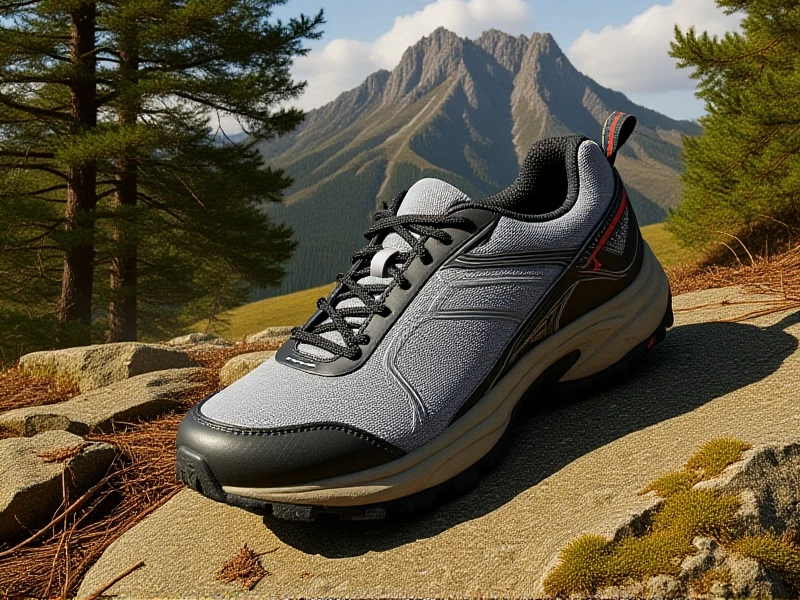
Choosing the right pair of running shoes can make all the difference in transforming those miles into pure joy instead of discomfort. For both seasoned athletes and casual joggers, a great pair enhances performance, prevents injuries, and boosts overall running experience. But with countless options flooding the market, how do you pick what's best? This guide dives into the essentials, helping you navigate key features that ensure your feet stay happy and your workouts remain effective. Remember, investing in quality running shoes isn't just about style—it's about support and longevity on the pavement or trail.
First, focus on cushioning as it absorbs impact shock during foot strikes. Modern running shoes often feature advanced midsoles like EVA foam or proprietary materials from brands such as Nike and Adidas. This layer protects joints from stress—especially crucial for those logging long distances. Next, arch support comes into play. People with low arches might prefer stability shoes to prevent overpronation, while those with high arches could benefit from neutral options offering flexibility. Breathability is another game-changer; look for uppers made of mesh to allow airflow and reduce overheating in warmer weather. Lastly, durability matters—opt for durable outsoles with rubber treads that grip surfaces reliably, so your shoes last longer without wearing thin.
When selecting your new running shoe, consider your gait and running style. Visit a specialty store that offers gait analysis to find the right fit for overpronation or supination issues. Always try them on later in the day when feet are naturally swollen, and wear your usual running socks. Ensure at least a thumb's width of space between your longest toe and the shoe tip, avoiding any pinching that could cause blisters. Think about your training terrain, too: road-running shoes excel on concrete, while trail variants provide extra traction for rugged paths. Finally, budget wisely; premium models offer advanced tech, but more affordable ones can still deliver excellent value.
In summary, the ideal running shoe blends comfort, protection, and personal needs for a smoother, injury-free journey. Replace them every 300-500 miles as midsole cushioning wears down, signaling it's time for upgrades. Prioritize your feet's well-being to hit your personal bests consistently. Happy running—step into the right gear and conquer every stride!
( 420)