Find Your Perfect Running Shoes: A Runner's Essential Guide
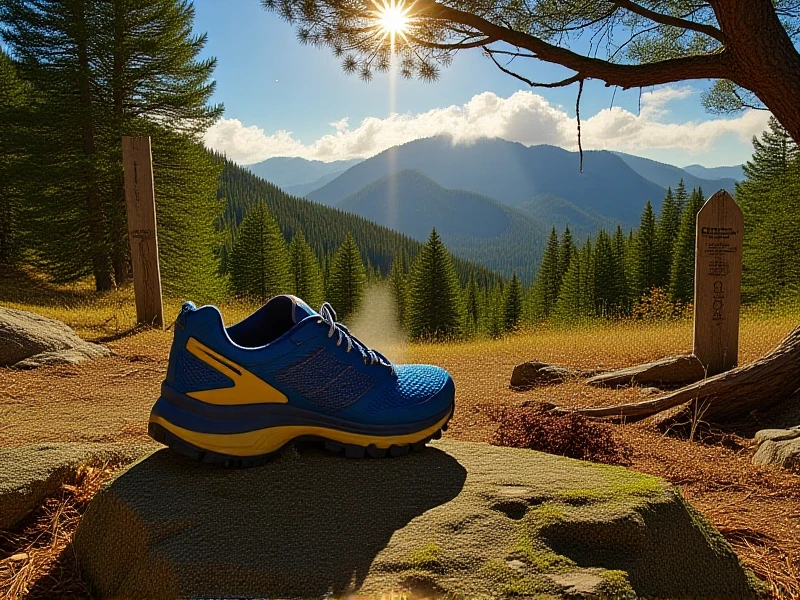
Choosing the right running shoes is the most critical investment any runner makes, directly impacting performance, comfort, and injury prevention. With countless options flooding the market, understanding key features ensures you find the ideal pair for your feet and running style, unlocking a smoother, more enjoyable stride.
Why the Right Running Shoes Matter Running places unique stresses on your body. The perfect shoes act as shock absorbers, provide essential stability, and propel you forward efficiently. Ill-fitting, worn-out, or incorrect shoes dramatically increase the risk of common injuries like shin splints, plantar fasciitis, knee pain, and blisters. Conversely, the right pair enhances comfort, improves running economy, and lets you run longer and stronger.
Key Factors in Choosing Running Shoes Focus on these crucial aspects:
- Cushioning: Varying levels (minimalist, moderate, plush) cater to different needs and preferences. Consider your weight, desired feel underfoot (soft vs. responsive), and typical running distances. More cushioning generally aids longer distances and absorbs impact, while less promotes a "grounded" feel often preferred for speed.
- Comfort & Fit: This is non-negotiable. Ensure ample toe room (about a thumbnail's width), a snug (not tight) midfoot, and a secure heel. Width availability is key. Try shoes on later in the day with your running socks. Walk and jog in-store. Any immediate discomfort is a red flag – don't expect them to magically "break-in."
- Control & Stability: How your foot moves (pronation) determines your needs. Overpronators (inward roll) often benefit from stability or motion control shoes with firmer foam and support features. Neutral runners need neutral cushioning shoes. Underpronators (outward roll) require highly cushioned neutral shoes. Gait analysis at a specialty running store is invaluable.
- Terrain: Road shoes prioritize cushioning and grip on pavement. Trail shoes offer aggressive lugs, rock plates, and sturdier uppers for dirt, mud, and technical paths. Hybrid options exist but compromise true road or trail performance.
Don't Forget Lifespan Running shoes start losing cushioning and support after 300-500 miles, even if they look fine. Track your miles diligently. Persistent aches or loss of that supportive feel indicate it's replacement time.
Investing in Your Run Starts Below Never underestimate the power of the right footwear. Investing time and effort into finding your perfect pair of running shoes isn't just about speed or PRs; it's about prioritizing your health, maximizing enjoyment, and building a sustainable running practice. Visit a reputable running store for expert advice and fitting – step into the right pair and experience the difference with every confident stride.