Finding the Best Running Shoes for Your Stride: A Starter Guide
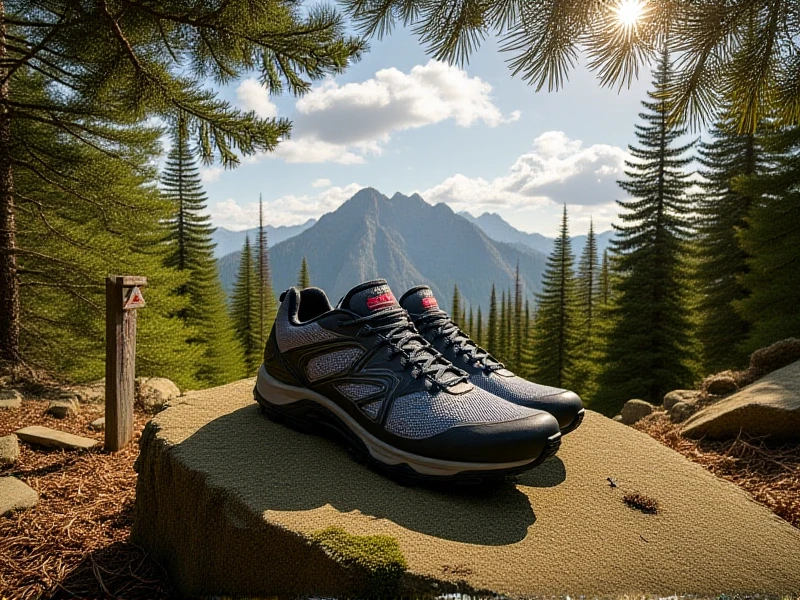
Hitting the pavement or trails requires more than just motivation; the right pair of running shoes is absolutely crucial. Forget fashion-first choices; dedicated running footwear is engineered to support the specific biomechanics and impacts involved in running, helping you perform better and, critically, stay injury-free.
Why does specialized footwear matter so much? Running generates significant force – often several times your body weight – with each stride. Quality running shoes are meticulously designed to absorb that shock effectively. Key areas like the midsole and heel feature advanced cushioning technologies (think EVA foams, gel capsules, or responsive polyurethane blends) that dissipate impact forces before they travel up your legs. This directly translates to reduced stress on joints, tendons, and muscles, minimizing the risk of common overuse injuries like shin splints or runner's knee.
Beyond cushioning, consider these critical features when choosing your next pair of running shoes:
- Proper Fit & Comfort: Always prioritize fit above all else. A snug heel, adequate toe room (about a thumb's width), and no pinch points are essential. Running shoes slightly too small or too big can cause blisters or instability.
- Foot Type & Support: Know your gait (arch type & pronation). Neutral runners can handle various models, while those with overpronation often benefit from structured running shoes offering medial support to guide the foot. Stability shoes like the Asics GT-2000 or Brooks Adrenaline provide this.
- Durability & Traction: Look for durable rubber outsoles covering high-impact zones (heel and forefoot). Tread patterns vary: deep lugs excel on trails and wet surfaces, while smoother patterns on road running shoes prioritize mileage.
- Weight & Responsiveness: Lighter running shoes (like Saucony Kinvara or Nike Streakfly) often feel faster, ideal for tempo runs or races. However, they may sacrifice some durability and cushioning compared to maximalist trainers like Hoka Bondi, which offer plush comfort for long distances.
Don't underestimate the dynamic support offered by modern running shoes. Features like structured heel counters lock your foot securely, flexible grooves promote a natural toe-off, and engineered uppers provide breathable, adaptive lockdown without pressure points. This holistic support system enhances stability and efficiency throughout your run.
The ideal running shoes ultimately depend heavily on your individual needs. Consider your running style, typical distance, foot mechanics, and the surfaces you frequent. Investing time in trying several models, understanding your gait (many running stores offer analysis), and prioritizing comfort and support over trends will significantly boost your enjoyment and performance while keeping your runs healthier. Your journey towards better miles begins at your feet. Find the shoes built for your run. (Approximately 380 words)