The Ultimate Guide to Finding Your Perfect Pair of Running Shoes
Here's an SEO-optimized article on running shoes in English:
Choosing the right running shoes isn't just about performance – it’s about comfort, injury prevention, and enjoying every mile, regardless of your pace or distance. With countless models flooding the market, finding the ideal pair can feel overwhelming. This guide cuts through the noise to help you find running shoes that transform your run.
Why the Right Running Shoes Matter Your feet absorb significant impact with every stride – up to three times your body weight. Ill-fitting or inappropriate running shoes can lead to blisters, shin splints, knee pain, or more serious injuries. Quality running shoes provide essential cushioning to dissipate shock, support your natural gait cycle, and offer stability where you need it most.
Key Features to Consider
- Running Surface: Road running shoes offer cushioning for hard pavements, while trail running shoes prioritize grip, protection, and stability for uneven terrain. Track spikes are built for speed on synthetic surfaces.
- Foot Type & Gait: Understanding your pronation (how your foot rolls inward on impact) is crucial. Are you a neutral runner? Do you overpronate (excessive inward roll) or supinate (outward roll)? Brands design specific models – neutral, stability, and motion control – to match these needs. Visiting a specialty running store for a gait analysis is highly recommended.
- Cushioning Level: Preferences vary. Maximalist shoes offer plush cushioning for maximum shock absorption, while minimalist options provide a more natural ground feel. Moderate cushioning strikes a balance for most runners.
- Fit is Paramount:
- Size: Your running shoe size is often half to a full size larger than your regular shoes to accommodate foot swelling and natural movement.
- Toe Box: Ensure ample space (about a thumbnail's width) in front of your longest toe to prevent blisters and black toenails.
- Midfoot & Heel: Should be snug but not tight, holding the foot securely without pinching or slippage.
- Try Them On: Measure both feet in the afternoon when feet swell, and wear the socks you'll run in. Leave wiggle room!
Top Running Shoe Types Explained
- Neutral/Cushioned: For runners with neutral pronation needing impact absorption (e.g., Brooks Ghost, Nike Pegasus).
- Stability: Assist overpronators with features like medial posts or dual-density midsoles (e.g., ASICS GT-2000, Saucony Guide).
- Motion Control: Offer maximum support for severe overpronation, often heavier and more structured.
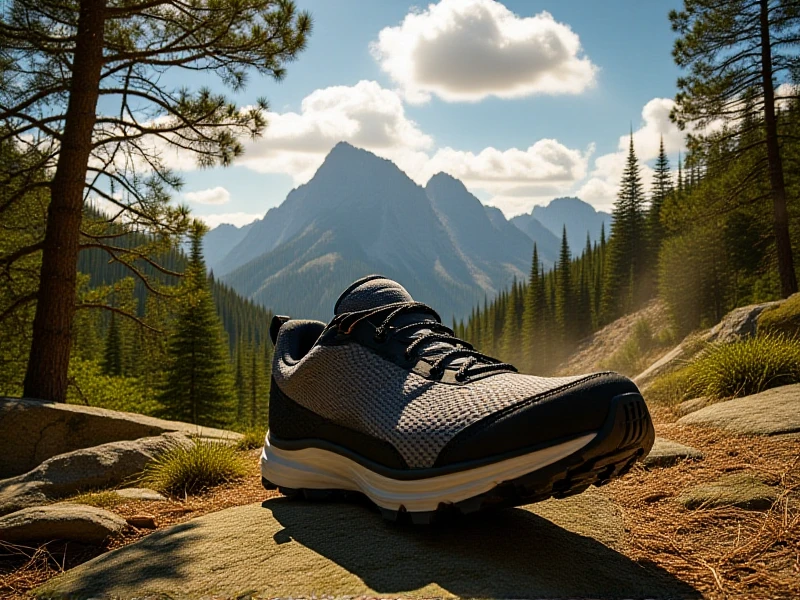
- Trail: Aggressive outsoles, durable uppers, rock plates for protection (e.g., Salomon Speedcross, Hoka Speedgoat).
- Racing/Speed: Lightweight, responsive shoes for race day or speedwork (e.g., adidas Adios Pro, Nike ZoomX Vaporfly).
Maintaining Your Running Shoes Even the best running shoes wear out. Experts recommend replacing them every 300-500 miles as the midsole cushioning loses its protective ability. Rotating between two pairs can help extend their lifespan. Clean with mild soap and water, and air dry – never machine wash or dry.
Invest in Your Stride The perfect running shoes become an extension of yourself. By prioritizing fit, function, and your individual needs, you’ll unlock greater comfort, enhanced performance, and a lower injury risk. Take the time to find your match – your feet (and running log) will thank you. Lace up the right pair and experience the joy of running at its best, every season.